According to science writer, Julian Cribb, “climate change has unleashed the biggest academic gold rush in recent history, with state and federal governments splashing tens, even hundreds of millions of dollars around almost weekly on new projects and research centres – a classic Australian response to decades of indolence, neglect and bad planning.”
In the article entitled ‘When drought spells cash’ he lists the following recent projects
• the Federal and Victorian governments have poured $100 million into a clean brown coal project;
• the New South Wales Government announced it would spend $22 million on two pilot clean coal projects;
• Victoria has begun work on a $30 million underground carbon storage project;
• SA is spending $800,000 on a wind tunnel to improve wind turbine performance and a further $200,000 on various clean energy projects;
• Queensland has put $9 million into a Climate Centre of Excellence;
• the University of NSW has announced a new $6 million national climate change research centre;
• the Australian National University has created the Fenner School for Environment & Society for research into areas including climate change and water;
• Adelaide University has launched a Research Institute for Climate Change and Sustainability;
• Griffith University has signed an agreement with the Government of Indonesia to study the regional impact of climate change; and
• the University of Ballarat has launched a project in community-owned renewable energy.
The article goes on to suggest that agriculture has missed out, “In all the excitement the area most affected by climate change – agriculture, and the science that backs it – has largely remained like Cinderella.”
I’m not so sure. Isn’t there a pile of money for agriculture in the $10 billion plan for water security, including money for research?
And I image the above list for Australia is incomplete?
And how much is spent worldwide on climate change research?
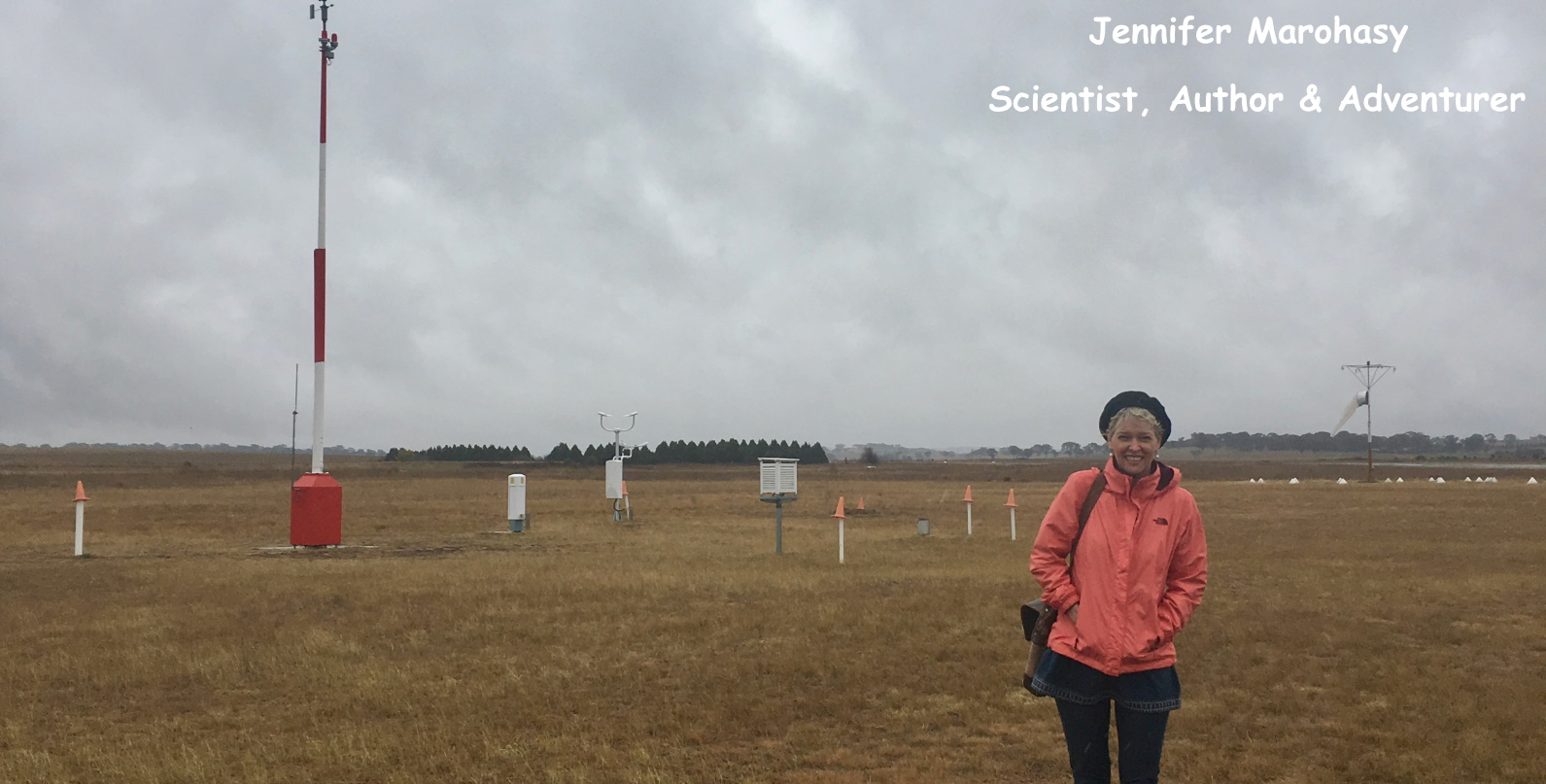
 Jennifer Marohasy BSc PhD has worked in industry and government. She is currently researching a novel technique for long-range weather forecasting funded by the B. Macfie Family Foundation.