Bendigo-based long-range weather forecaster Kevin Long has repeatedly reminded me that, at the end of the day it is rainfall cycles that are most important in Australia, not temperature cycles. Can we expect a run of drier years in the Murray Darling? Is this the consensus amongst not just the mainstream climate science community, but also the so-called sceptics including astrophysicists and long-range weather forecasters who rely on lunar and solar cycles?
If this is the case, despite the buyback of large quantities of water, Lake Albert at the very bottom of the Murray Darling catchment is in a particularly precarious situation without a direct connection to either the Southern Ocean or Murray River.
In a recent blog post at Myth and the Murray, I have drawn parallels between Denmark’s Bøtø Nor and the Lower Murray, and asked why there isn’t some discussion about the possibility of draining Lake Albert and turning it into a nature reserve?
Meanwhile the mulloway fishery could be restored to Lake Alexandrina simply by modifying or removing the barrages. Indeed record catches in the past occurred during drought years, but that was before the barrages.
Ultimately sensible water policy in the Murray Darling needs to factor in the likelihood that we could be in for some exceptionally dry years, and that the best way to drought-proof is to restore the estuary so the Lower Lakes are no longer dependent on upstream storages. But neither the restoration of the estuary nor the possibility of a mega-drought are on the government’s agenda.
These issues were raised in today’s occasional newsletter from Myth and the Murray. If you would like to receive the next newsletter: click here.

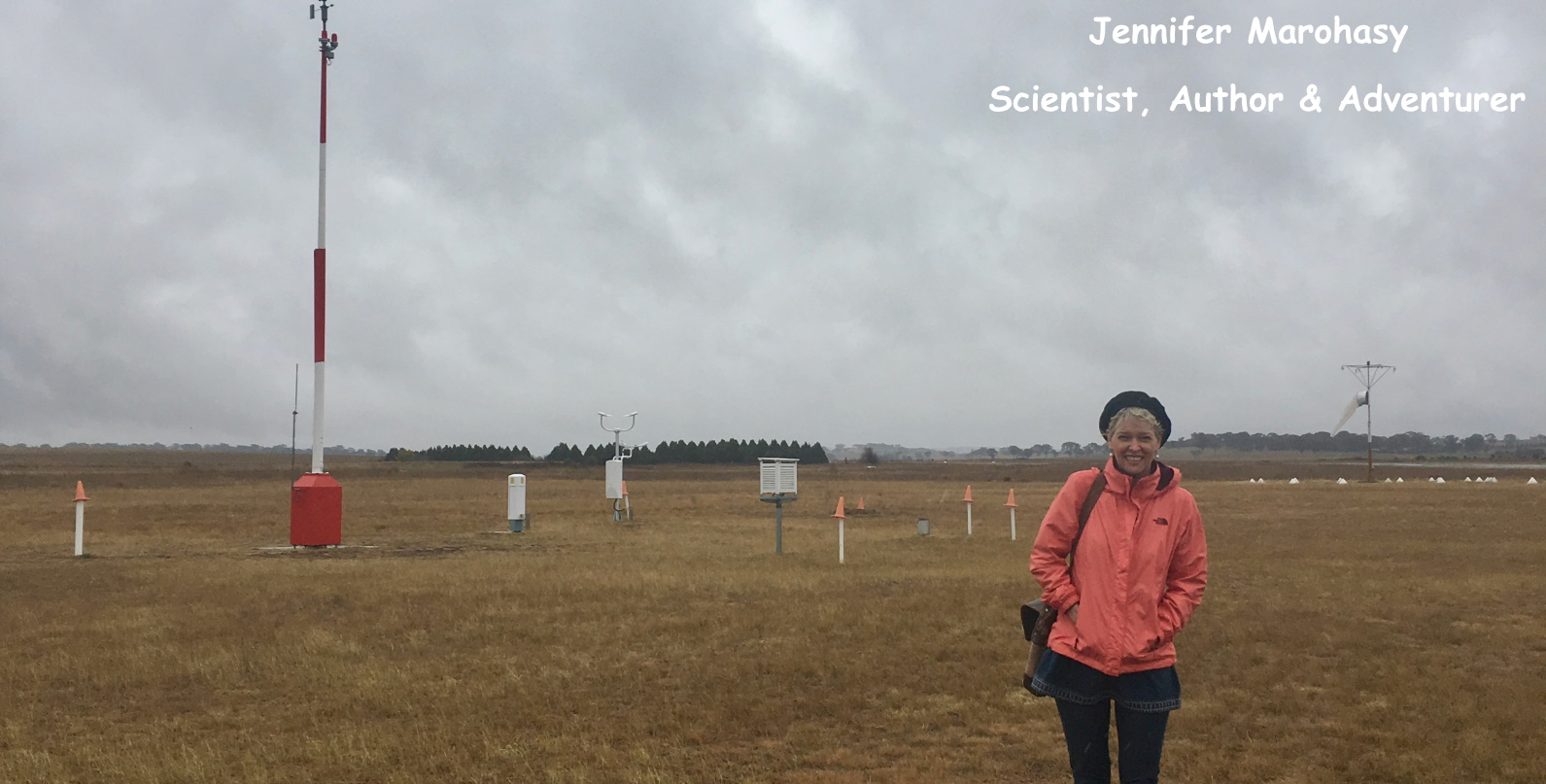
 Jennifer Marohasy BSc PhD has worked in industry and government. She is currently researching a novel technique for long-range weather forecasting funded by the B. Macfie Family Foundation.