I’ve received a few bits and pieces on global warming from readers of this blog:
Cathy sent me a link to an article explaining that the European Commission is set to roll out the first phase of a major pan-European marketing campaign to raise awareness of climate change:
http://www.revolutionmagazine.com/News/index.cfm?fuseaction=ViewNewsArticle&newsID=595977
Luke recommends http://www.theozonehole.com/climate.htm for everyone still wondering about the connection between ozone and global warming following the note from Helen Mahr, in particular:
“Ozone’s impact on climate consists primarily of changes in temperature. The more ozone in a given parcel of air, the more heat it retains. Ozone generates heat in the stratosphere, both by absorbing the sun’s ultraviolet radiation and by absorbing upwelling infrared radiation from the lower atmosphere (troposphere). Consequently, decreased ozone in the stratosphere results in lower temperatures. Observations show that over recent decades, the mid to upper stratosphere (from 30 to 50 km above the Earth’s surface) has cooled by 1° to 6° C (2° to 11° F). This stratospheric cooling has taken place at the same time that greenhouse gas amounts in the lower atmosphere (troposphere) have risen.”
Warwick Hughes wrote: I have been very impressed with the breaking work of E-G Beck drawing attention to many published refs to high CO2 levels since 1820 and notably in WWII years. I have a Blog post on that at:
http://www.warwickhughes.com/blog/?p=64#more-64
There is a 10 page summary pdf file there. It will be fascinating to see if further support can be found for Beck’s conclusions. Beck’s detailing of the depth and quality of work which found these early high CO2 numbers supports the conclusions of Dr Zbigniew Jaworowski in his ice core research where he draws attention to the suppression of inconvenient high readings to fit the IPCC line.
George McCallum has sent me a beautiful picture of sunset over mountains and glacier in Isfjorden, Spitzbergen, with the note that Spitsbergen or Svalbard as it is also known, recorded one of the warmest summers on record this year. Isfjorden is just 900km from the North pole.

For beautiful pictures visit www.whalephoto.com
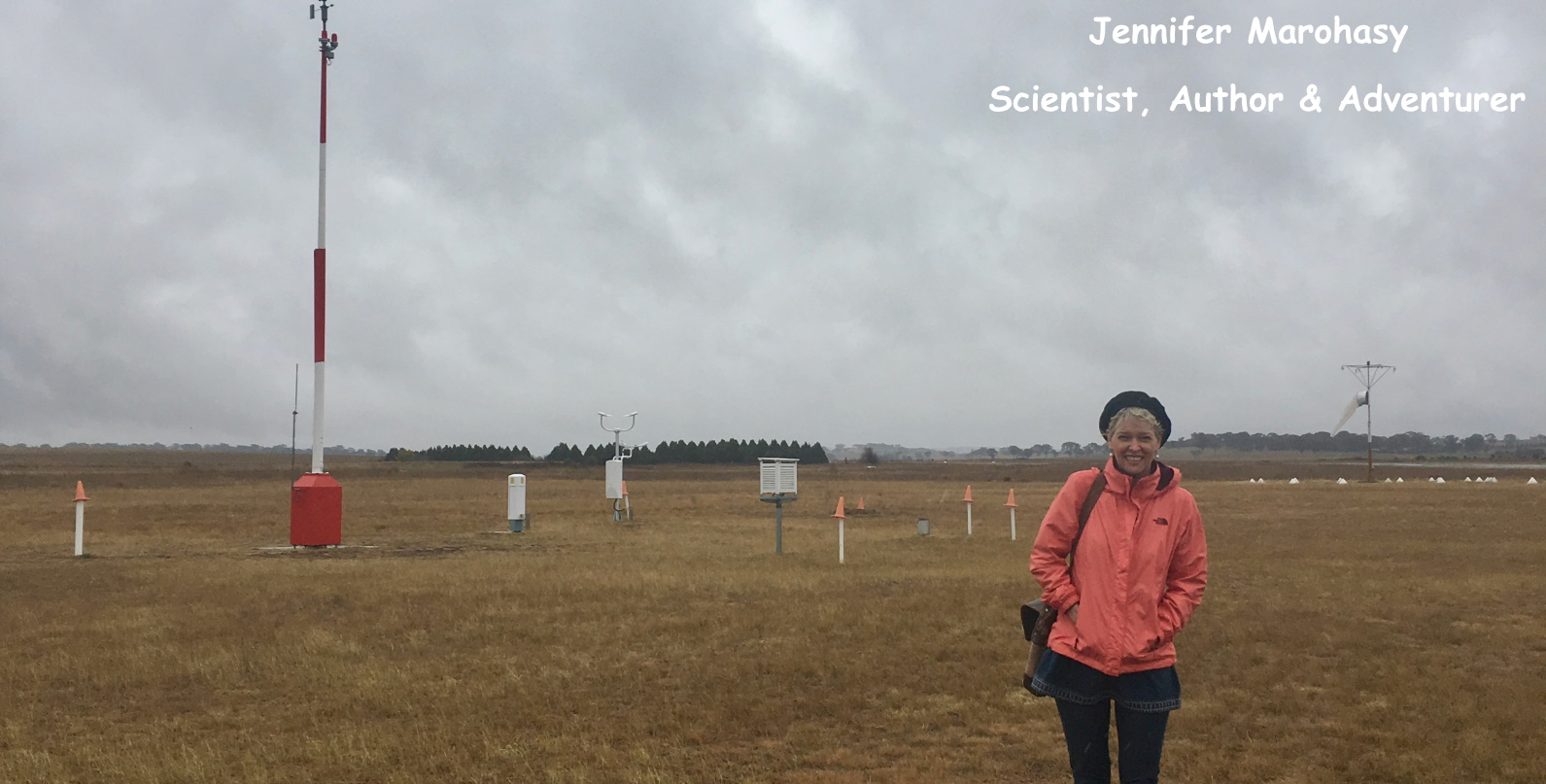
 Jennifer Marohasy BSc PhD has worked in industry and government. She is currently researching a novel technique for long-range weather forecasting funded by the B. Macfie Family Foundation.